Separate page size from sheet size
A finished page is what the reader sees. A sheet is the physical paper before folding or cutting. For example, folding a large sheet can create a smaller reading format. Confirm which measurement a printer is asking for before entering dimensions.
Check the PDF rather than the product photograph
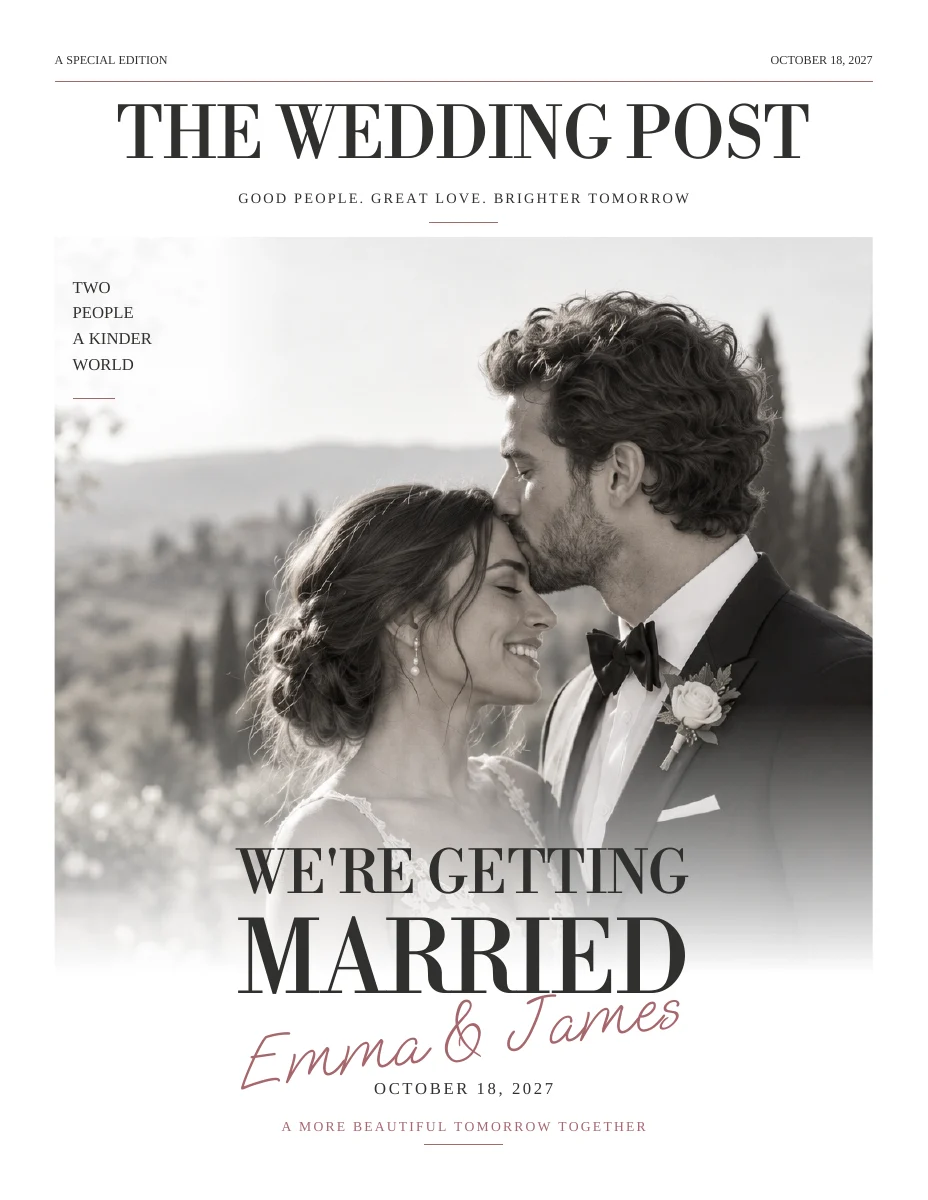
A mockup can make any format appear larger or smaller. Use the dimensions shown in the file or product details. Do not assume that an image of a newspaper means a standard US tabloid press size.

Compare paper by function
A lighter sheet can feel closer to a traditional newspaper, while a heavier uncoated stock can feel more substantial. Neither is universally better. Ask about opacity, folding and the selected print process, and inspect a sample with both text and photographs.
Allow for margins and finishing
Keep important text away from edges and folds. If artwork runs to the edge, ask whether that specific print format permits it and what bleed it requires. Different newspaper products can have different rules even within the same printing company.
Three measurements that are easy to confuse
| Term | Meaning | Example |
|---|---|---|
| Finished page | One face at the final reading size | An 8.5 × 11 inch page |
| Flat sheet | Paper before folding or cutting | An 11 × 17 inch sheet folded in half |
| Bleed | Artwork beyond the trim boundary | Only the amount your printer requests |
Order a proof that reflects the final job
Use the intended size, stock and finishing where possible. A proof on unrelated office paper tells you something about wording and scale, but little about the final paper feel or color. Confirm any substitutions with the printer.
Use a folded blank to judge the format
Before choosing paper, fold a blank sheet to the proposed finished size. Hold it as a guest would, place it in the welcome bag and set it beside a place setting. This inexpensive test reveals things a mockup cannot: whether the newspaper feels cumbersome, whether it fits the distribution plan and whether the pages are comfortable to turn.
The measurements in the table are examples of terminology, not a promise that every newspaper template uses those dimensions. Your PDF is the source of truth. Do not select a printer's standard product merely because it has a similar name.
Judge paper with your actual artwork
Take a sample page with a dark photograph, small caption and white space to compare stocks. Look for show-through from the other side and for how easily the sheet folds. A heavier sheet can feel luxurious but may resist folding or be unsuitable for the chosen press. A lighter sheet can work beautifully when its opacity and print quality fit the design.
Paper weight labels also vary between systems. If a supplier describes stock in pounds and another in grams per square meter, ask for an equivalent recommendation rather than comparing the numbers directly. The material, coating and manufacturing process matter alongside weight.
ON THE PAGE
See how it comes together.
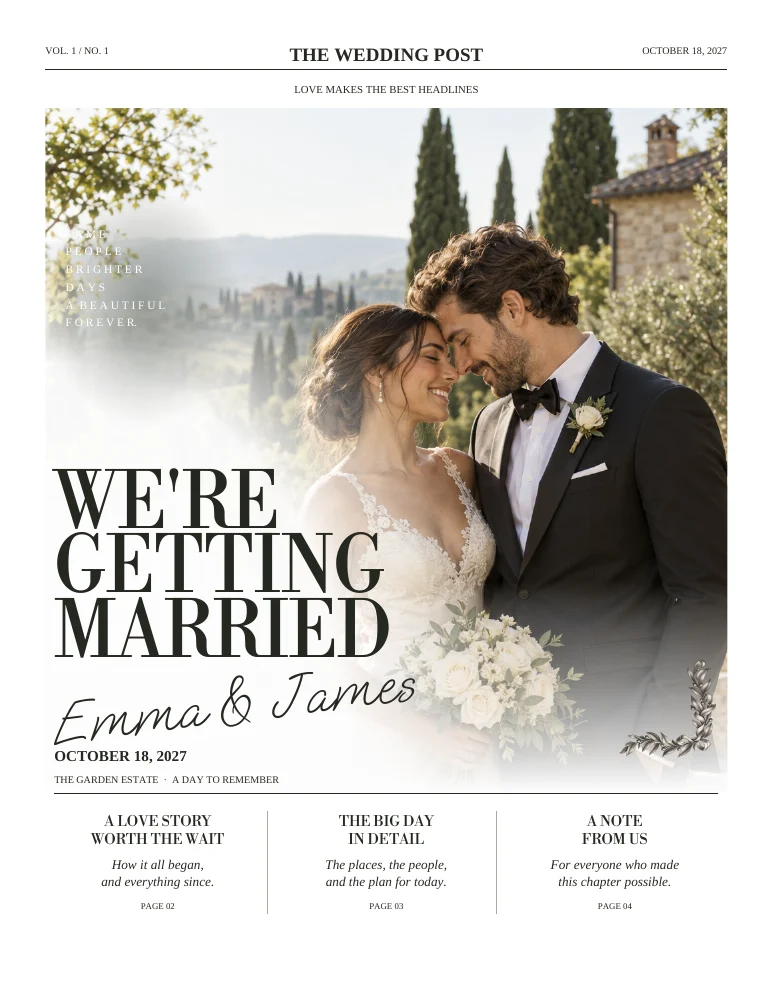
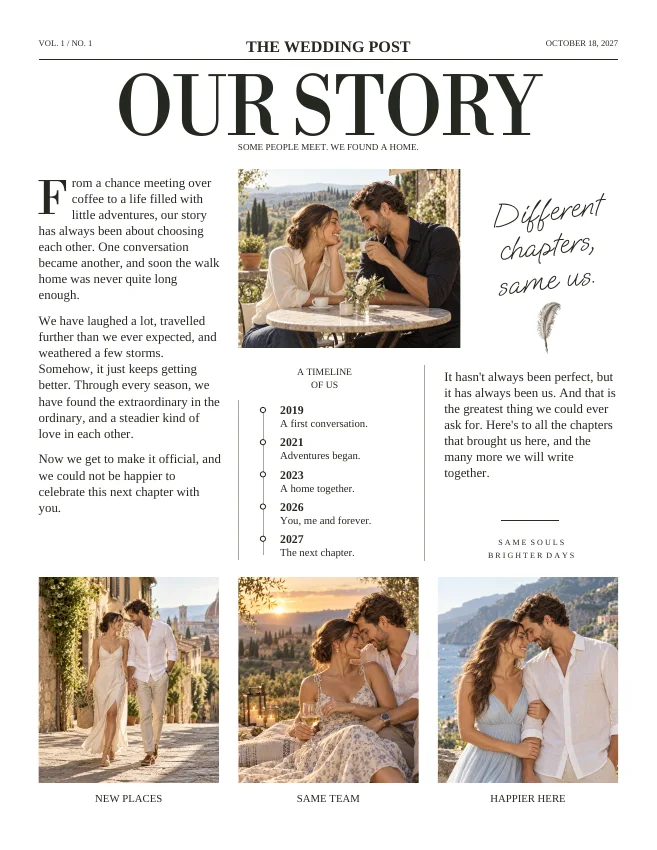
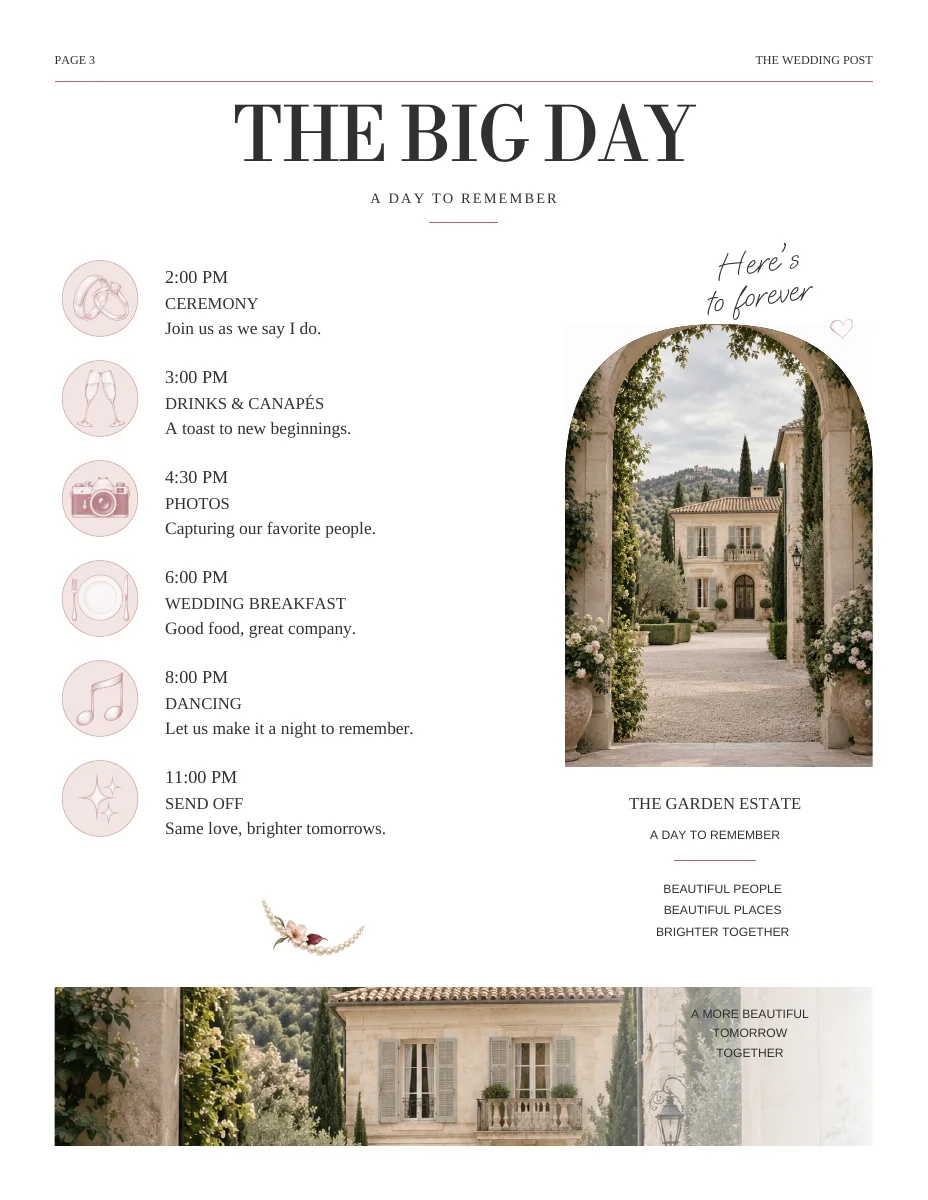
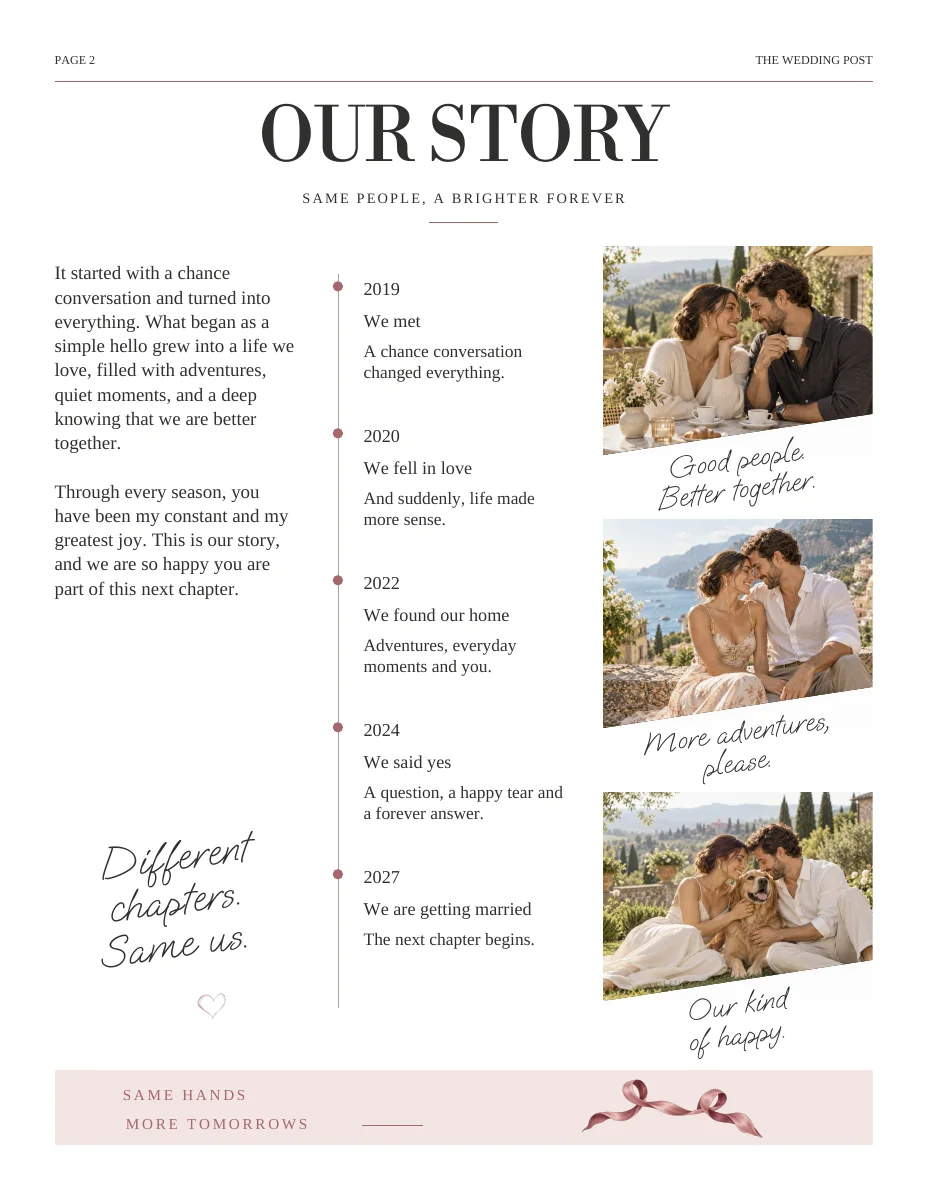
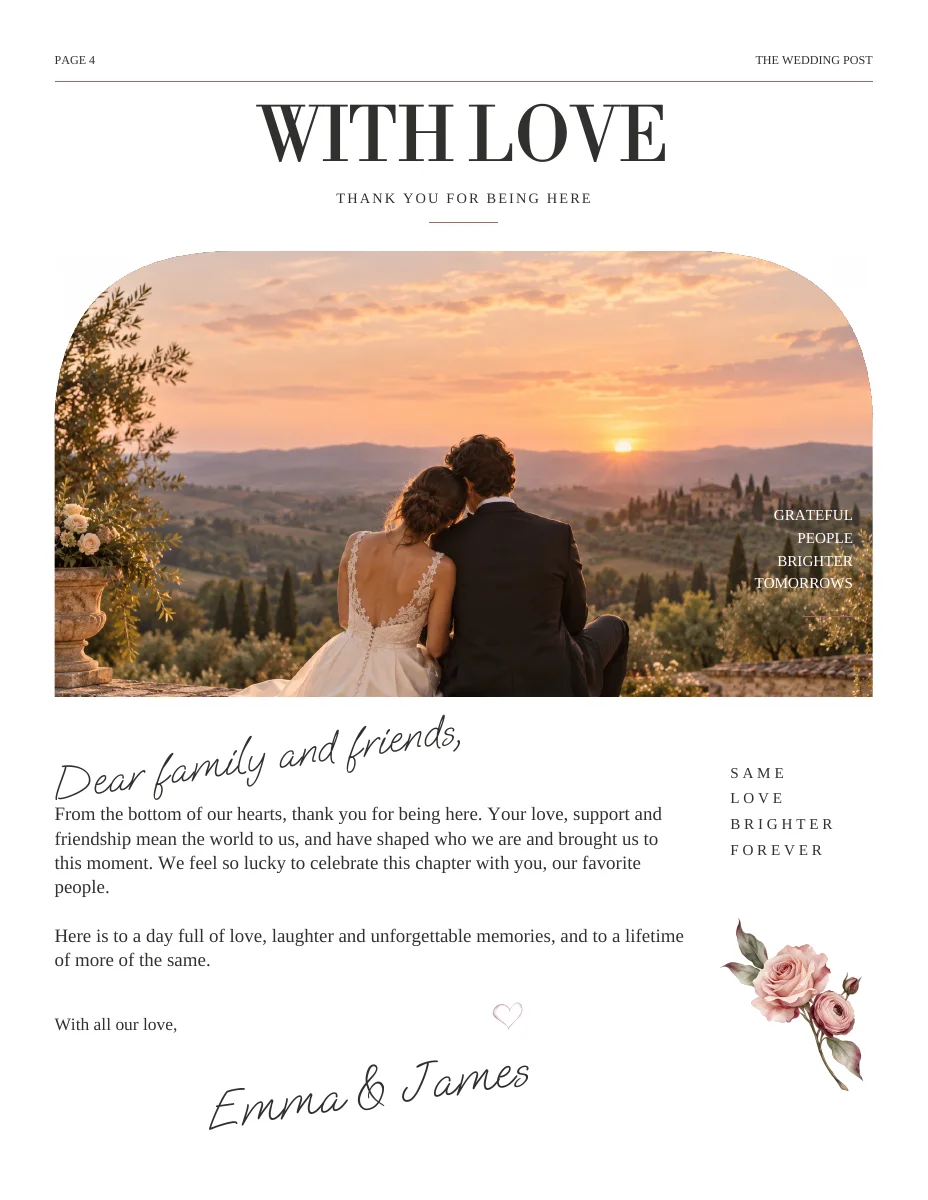
Actual sample pages from Modern Romance. Open a page to explore the PDF. Replace the fictional details and sample photographs with your own.
KEEP IT SIMPLE
Your next steps
- Page and sheet dimensions distinguished
- Final size taken from the PDF
- Paper sample reviewed
- Edges and folds checked
GOOD TO KNOW
A few things you might be wondering.
What is the best paper weight?
There is no single best weight for every printer and format. Use the options approved for your chosen product and compare physical samples.
Can I enlarge a PDF?
Enlargement changes text size and the effective quality of raster images. Ask the printer to review it before treating the resized file as ready.