Keep the course structure clear
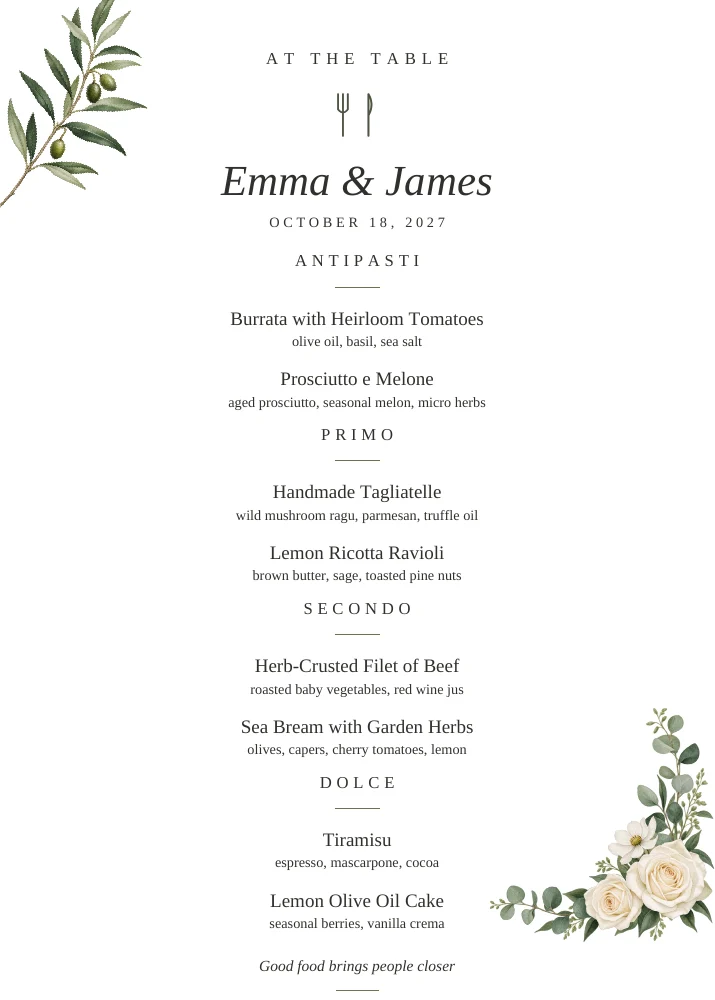
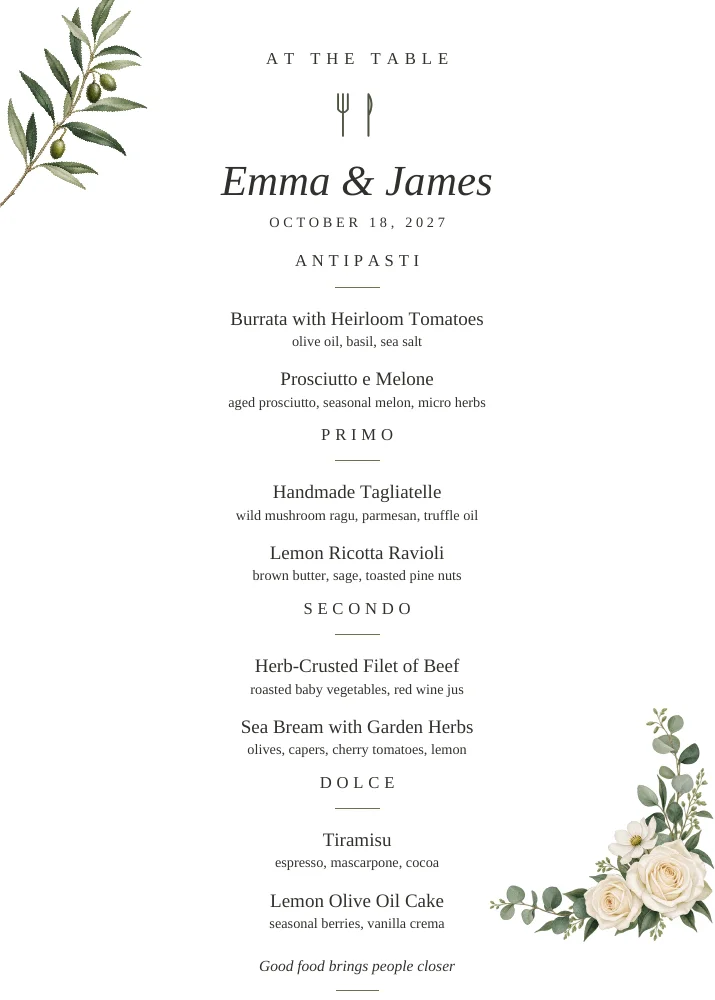
Use simple headings such as starter, main and dessert. Give each dish a concise name and a short description of its defining ingredients. If there are choices, explain whether guests have already selected or should choose at the table.
Confirm dietary information
Ask the caterer to approve dietary labels and allergen wording. Do not infer that a dish is vegetarian, gluten-free or allergy-safe from its name. Where individual requests are involved, a note directing guests to the service team may be more useful than a crowded list of symbols.
Build the drinks section around your actual bar
List signature cocktails separately from wine, beer and alcohol-free options. Use the available drink illustrations where they help identify a drink, while keeping names and ingredients readable. A long drinks list may work better on a separate bar menu than a dinner card.
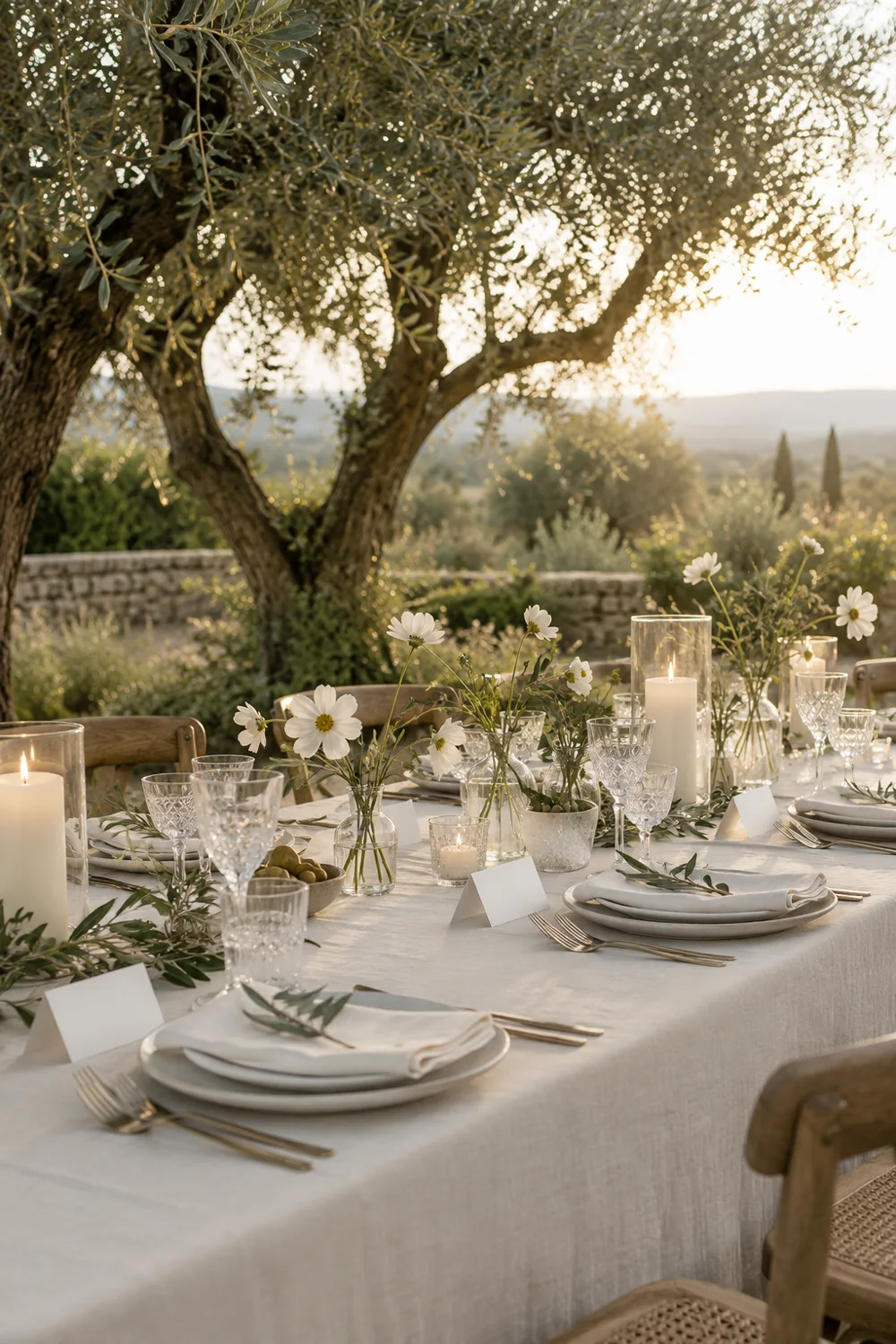
Proof in the table setting
Print at the card's intended dimensions and place it beside the plate, napkin and glassware. Check that the smallest text can be read in realistic lighting. Confirm any folds or holders before ordering cardstock.
ON THE PAGE
A closer look at the design.
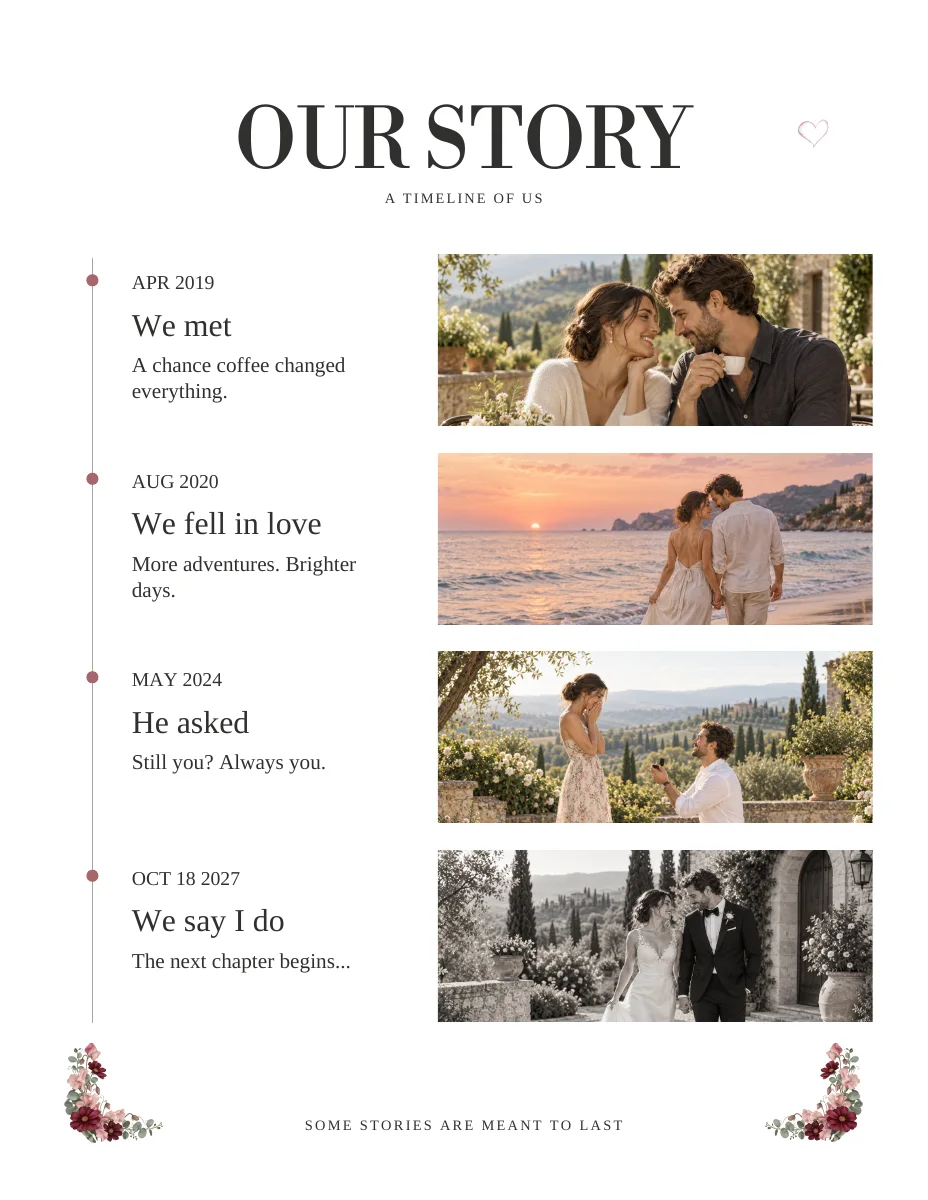
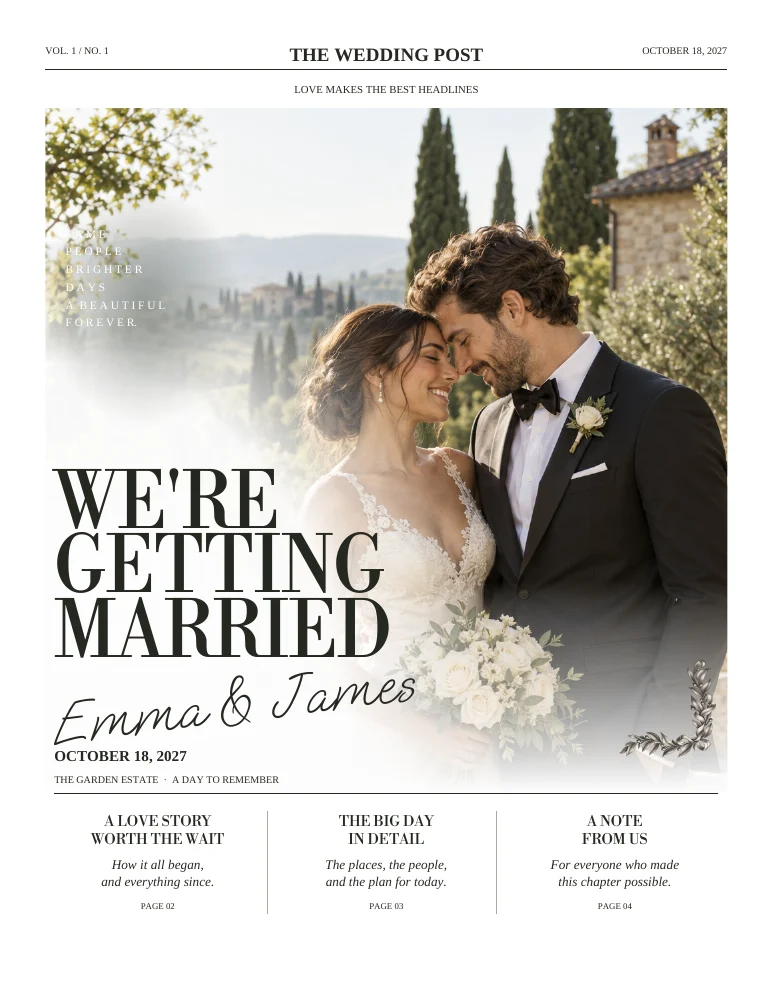
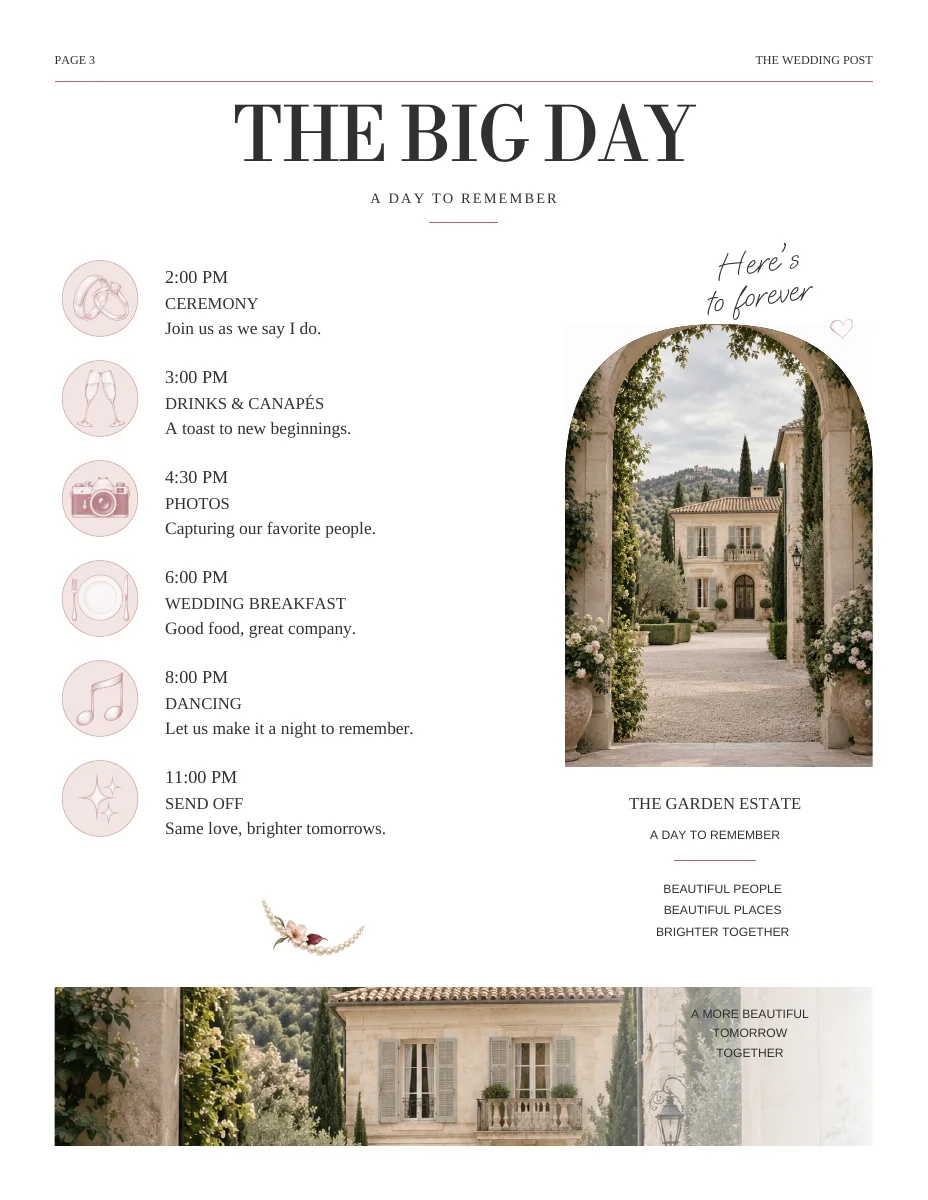
Actual sample pages from Botanical Minimal. Open a page to explore the PDF. Replace the fictional details and sample photographs with your own.
KEEP IT SIMPLE
Before you make it yours
- Caterer-approved dish names
- Dietary labels checked
- Drinks grouped clearly
- Menu tested at the place setting
GOOD TO KNOW
A few things you might be wondering.
Can the bar menu contain more than cocktails?
Yes. Organize wine, beer, spirits and non-alcoholic options into clear sections alongside any signature drinks.
Should prices appear?
Use wording that reflects the arrangements with your venue. If some drinks are paid for by guests, make that clear and have the venue approve the information.