Use a simple three-part formula
Name, role and connection. For example: Jordan — Best friend and the person who has answered every late-night planning message. We met in college and have been making questionable road-trip playlists ever since. Keep the role clear even when the description is playful.
Examples for different relationships
A sibling: Alex — Sibling, lifelong teammate and keeper of the childhood stories we hope stay off the microphone. A longtime friend: Sam — Friend since our first job, now an essential part of every big decision. A newer friendship: Casey — Proof that some people feel like old friends almost immediately. Personalize the detail rather than copying a joke that does not fit.
Keep the attention balanced
Give each person a similar amount of space. A long tribute beside a two-word label can feel unintentionally uneven. If roles differ, explain the connection rather than trying to rank people's importance.
Choose portraits that work together
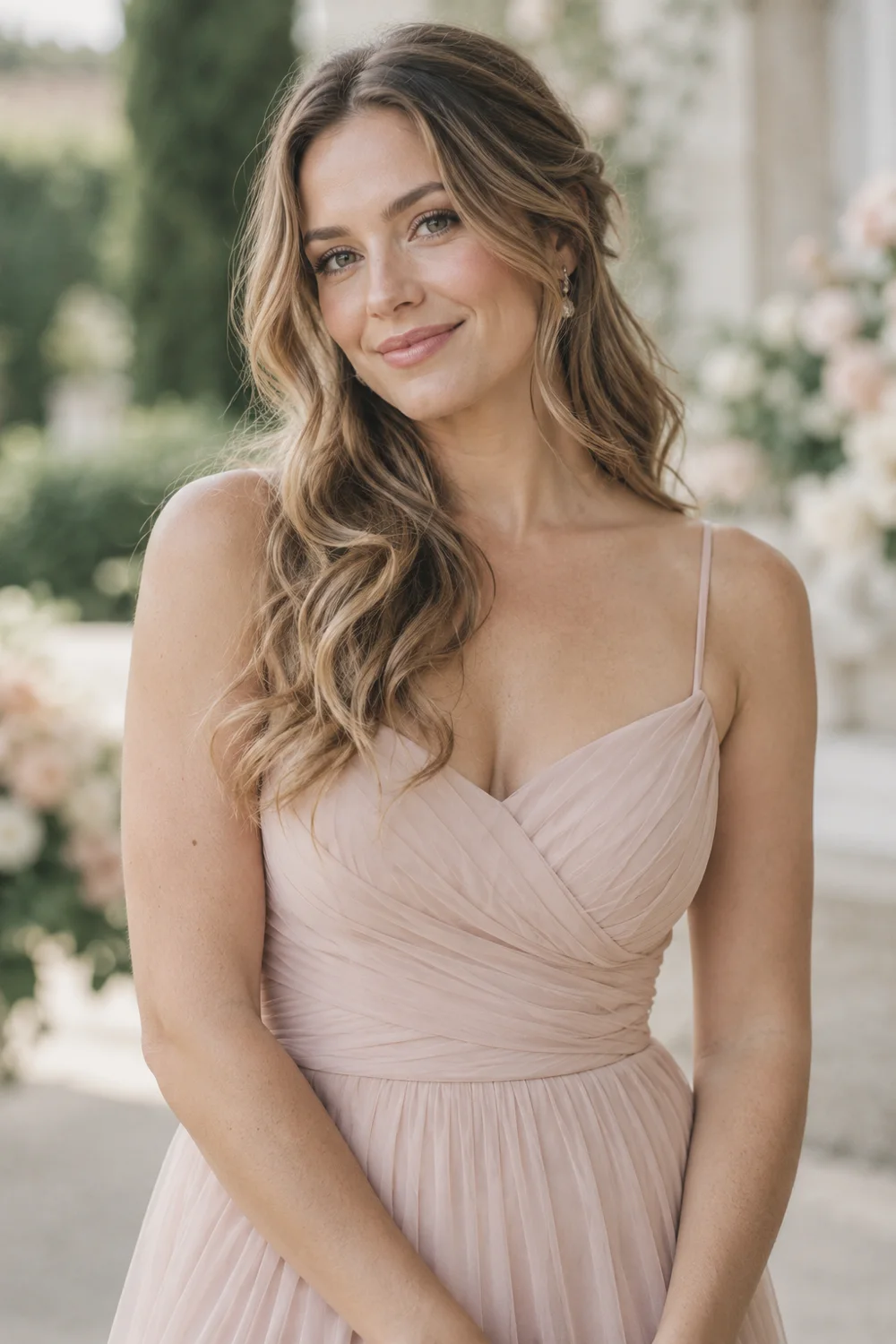
Use clear faces and similar cropping, while allowing the photographs to feel natural. Confirm the name beneath each image after uploading. A wrong portrait-caption pairing is easy to overlook when you are reading only the text.
Three balanced bio formats
| Format | Structure | Example opening |
|---|---|---|
| A warm sentence | Name + connection + detail | Jordan, our friend since college… |
| A miniature profile | Name / role / one short line | Riley · Sibling · First dance-floor volunteer |
| A question and answer | Name + one shared prompt | Favorite memory with us: … |
Get a quick approval
Ask each person to check their preferred name, pronouns and the anecdote. Do not publish private relationship history, health details or an embarrassing story just because it sounds funny to the couple.
Six more starting points
A parent: Morgan — The calm voice behind the scenes and the person who taught us how to welcome people well. A sibling: Taylor — Our first teammate, favorite challenger and lifelong source of stories. A childhood friend: Jamie — Here since the school-bus days, and still the first person we call with good news. A work friend: Drew — One shared project became years of shared dinners and excellent advice. An officiant: Robin — A friend who knows our story and is helping us tell the next part. A friend with no formal title: Quinn — No special title needed; just a very special place in our lives.
Use these as structures rather than assigning sentiments that are not true. One genuine detail is enough.
Build a consistent portrait feature
Choose a similar framing for each person and write the name before the anecdote. If one image is tightly cropped and another shows a whole group, readers have to work harder to connect the caption to a face. Ask for a clear individual photograph when possible.
Keep the bios broadly equal in length, but do not force a joke into every entry. A sincere sentence can sit comfortably beside a playful one when both are considerate. Before printing, send each person their own caption and ask for a quick check of their name, role and photograph. That small review prevents awkward corrections after the papers arrive.
ON THE PAGE
See how it comes together.
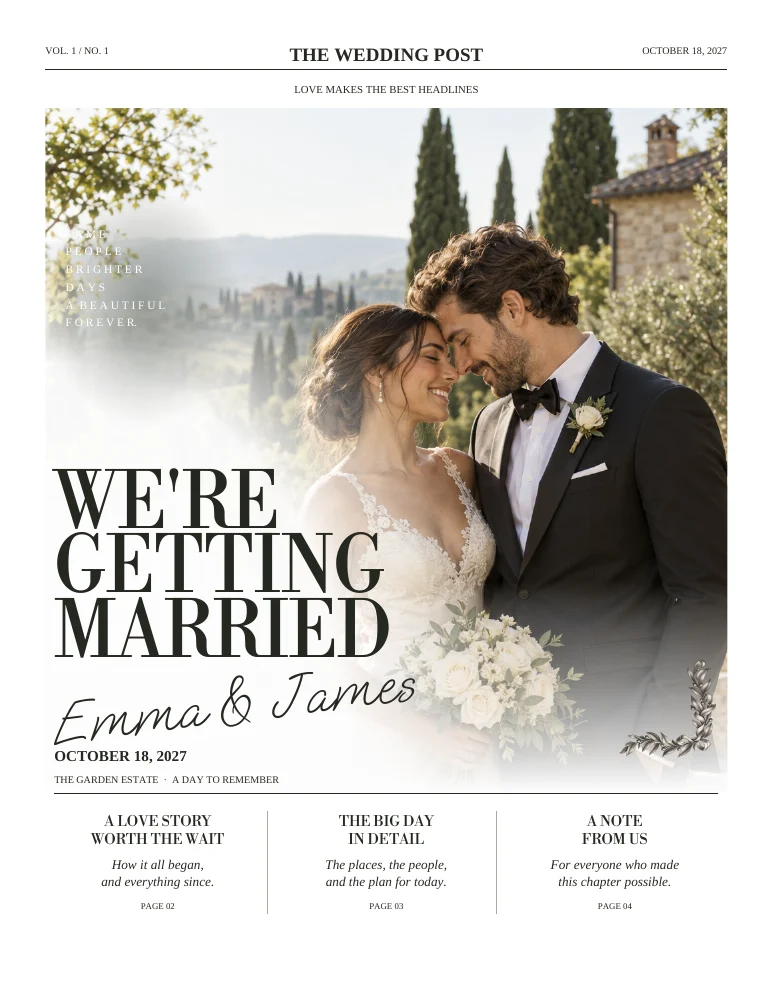
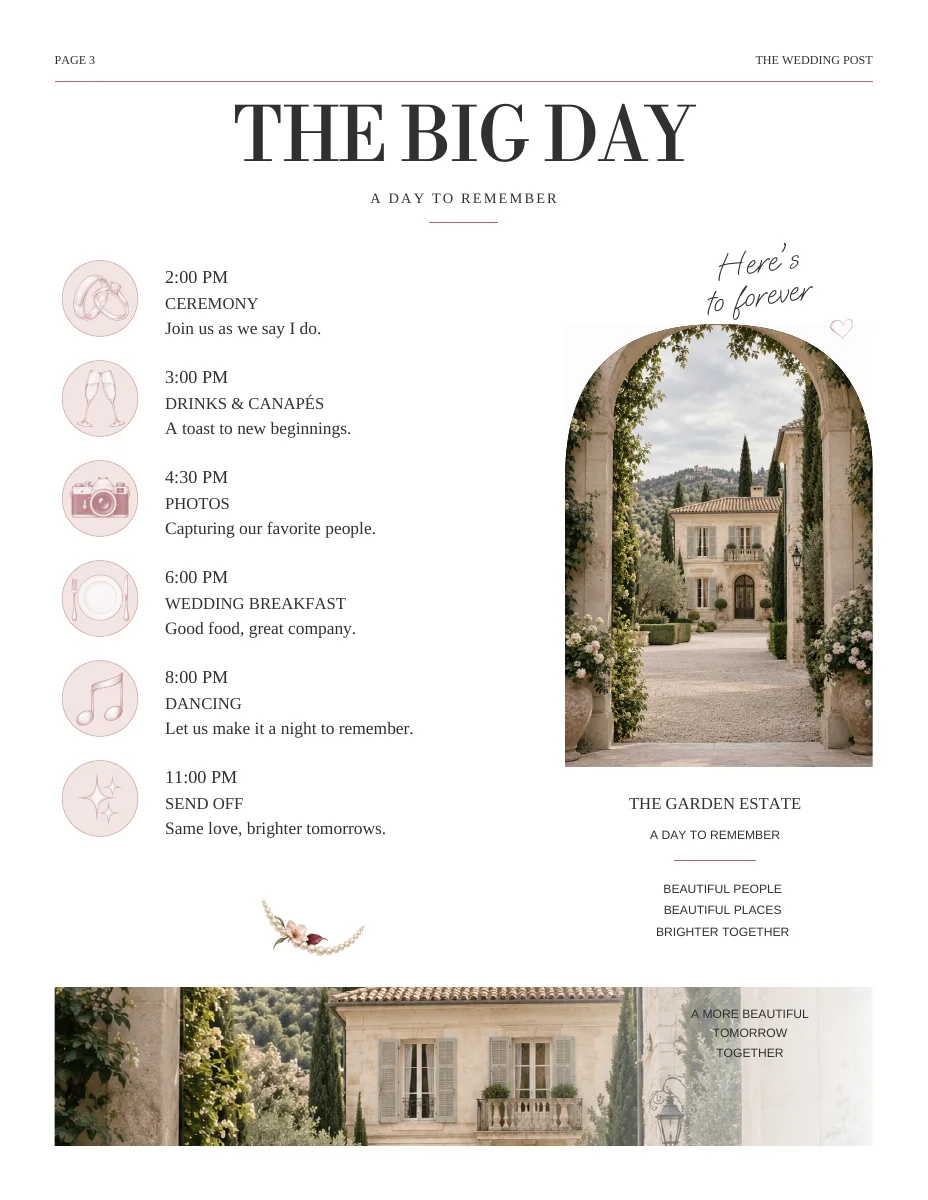
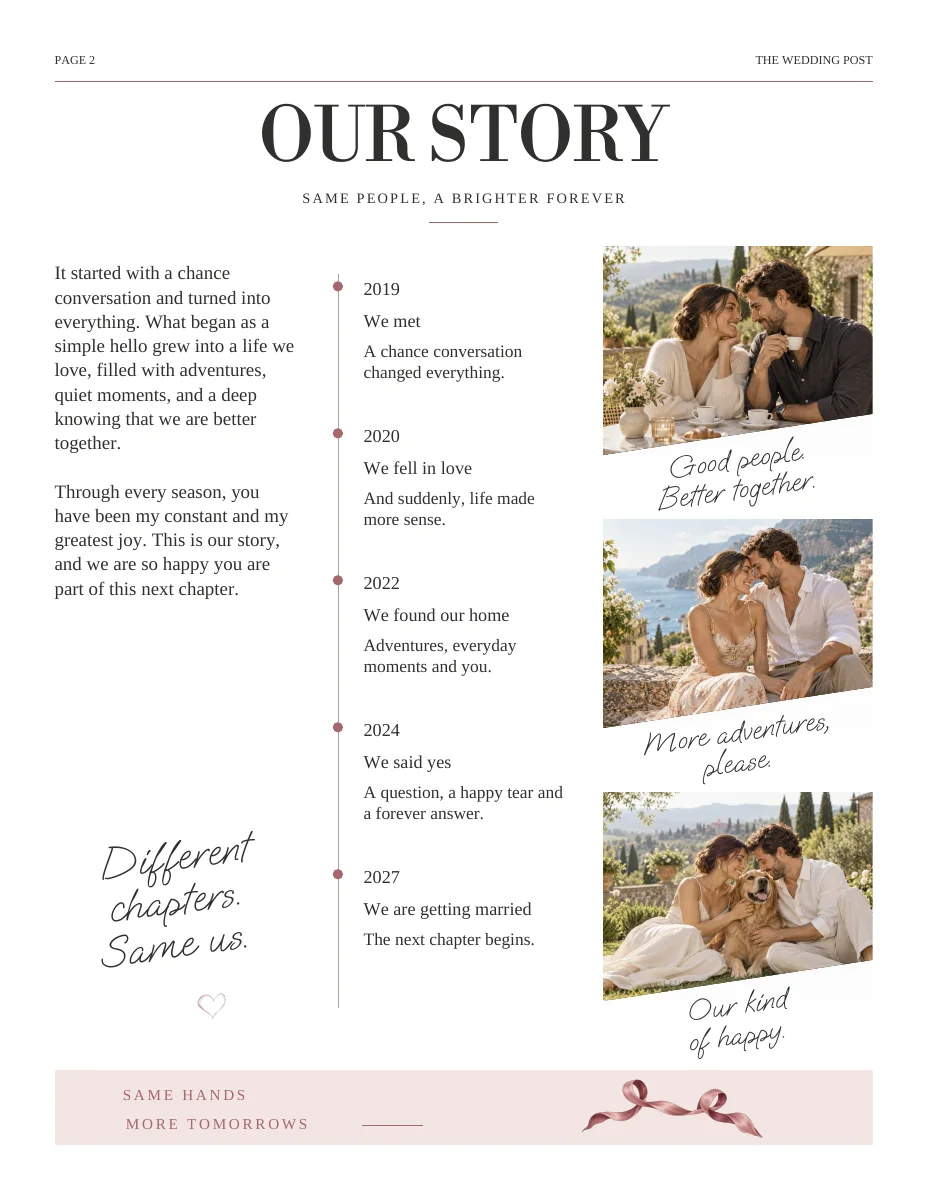
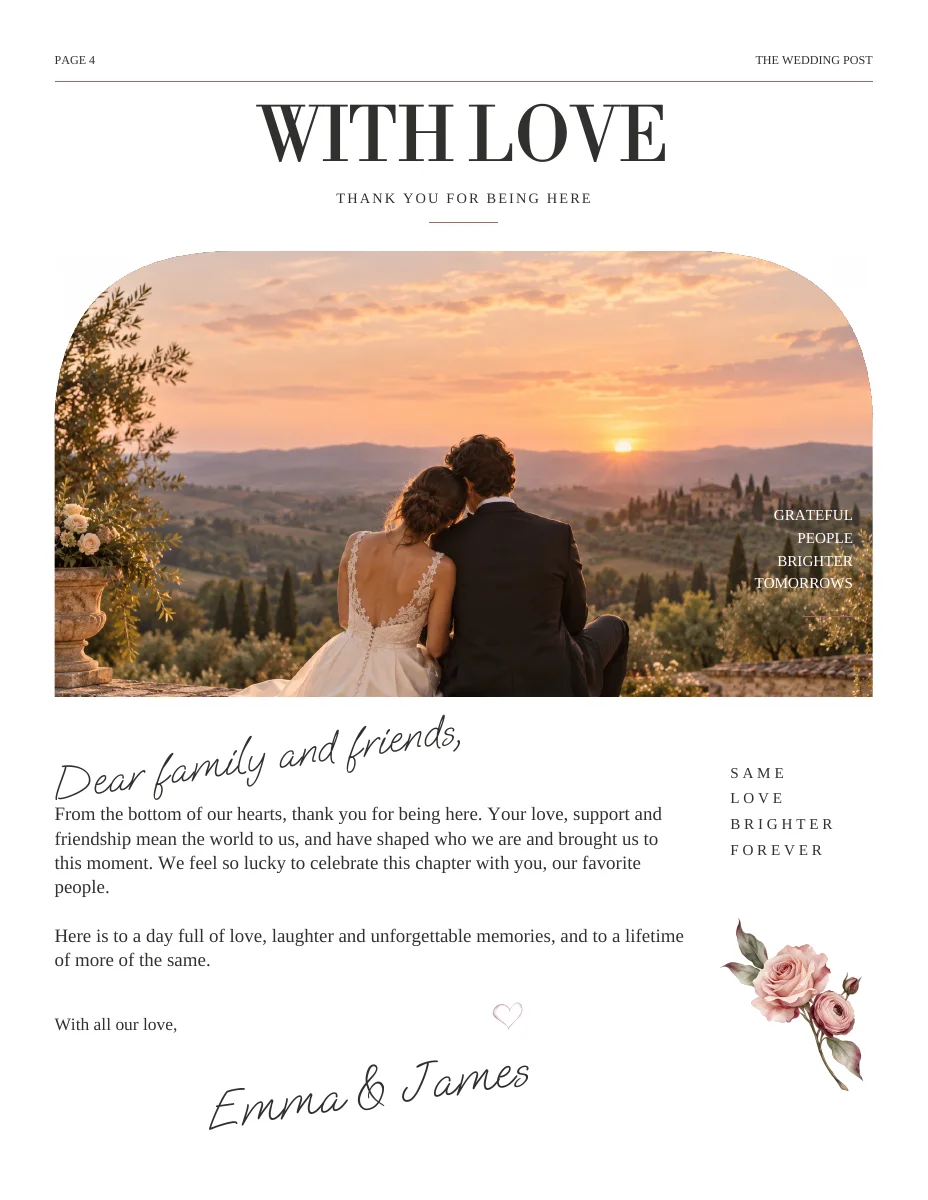
Actual sample pages from Modern Romance. Open a page to explore the PDF. Replace the fictional details and sample photographs with your own.
KEEP IT SIMPLE
Your next steps
- Name, role and one real detail
- Similar length for each person
- Correct portrait-caption pairs
- Personal details approved
GOOD TO KNOW
A few things you might be wondering.
Do we need traditional wedding-party titles?
No. Use the roles and relationships that fit your celebration, including friends or family with no formal title.
Should we include everyone attending?
Only if it serves the format and there is space. A wedding-party feature is different from a complete guest directory.